
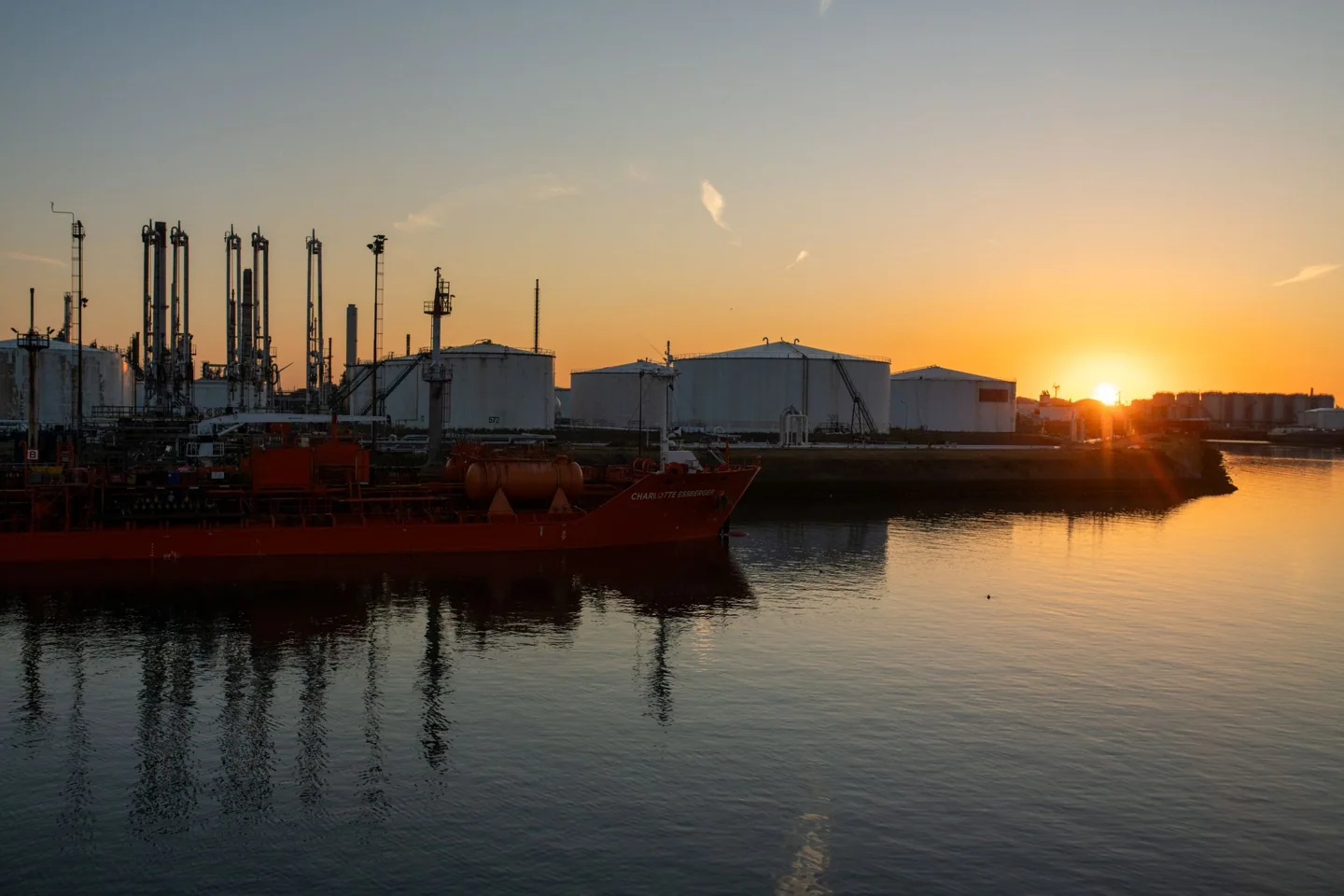
Fuels and lubricants
A fuel offer is meaningful when grades and quantities match. The port, delivery window and technical requirement on board all shape the request.
- Marine fuels
- Machinery oils
- Greases
We coordinate product sourcing, commercial terms and port delivery for marine fuels and vessel supplies.
Explore services
An enquiry can start with a single pump part or a purchasing plan spanning several ports. Select an area to see what to include.
A fuel offer is meaningful when grades and quantities match. The port, delivery window and technical requirement on board all shape the request.
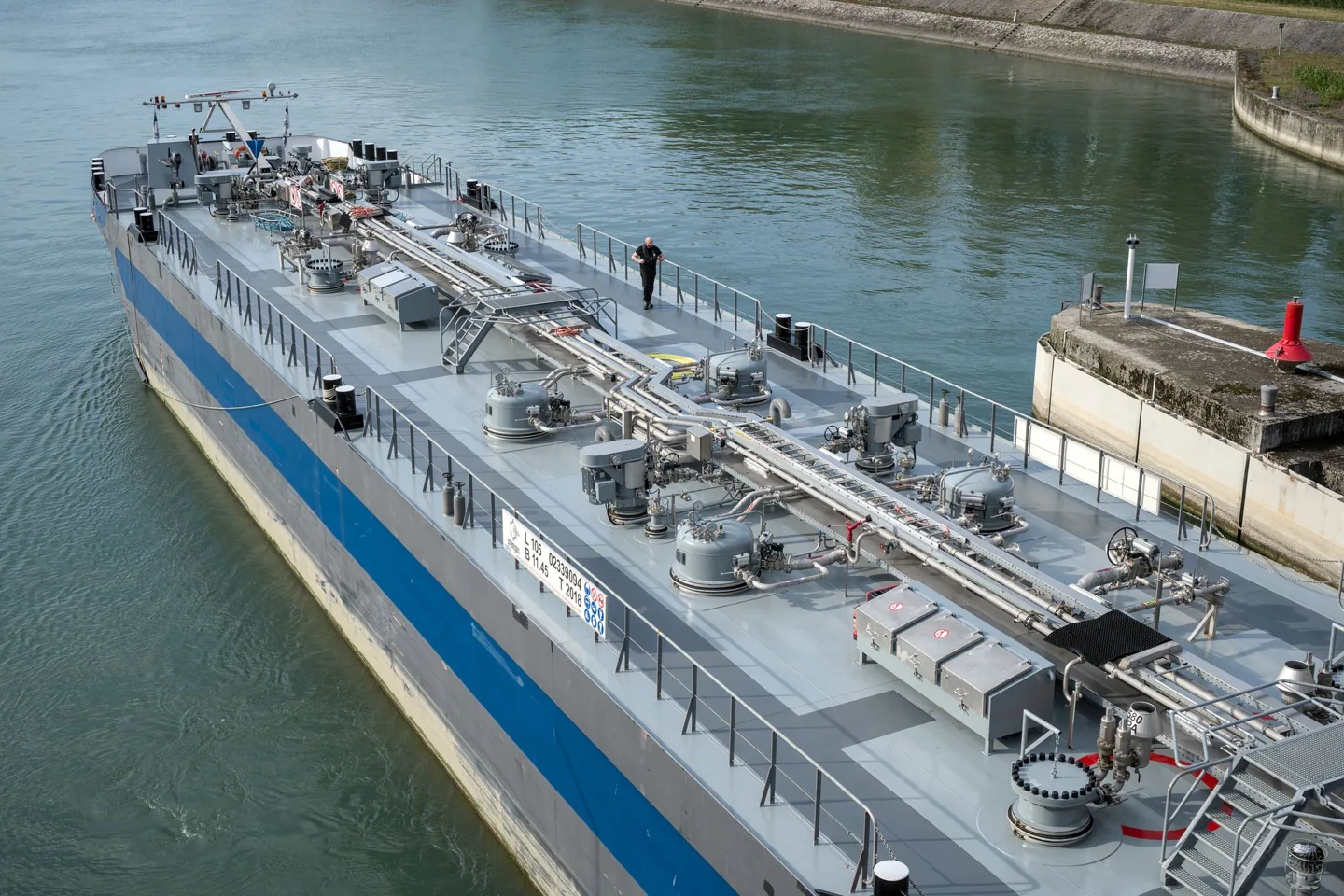
One requisition may cover deck stores, consumables and spare parts before sailing. Departure time sets the order of priority.
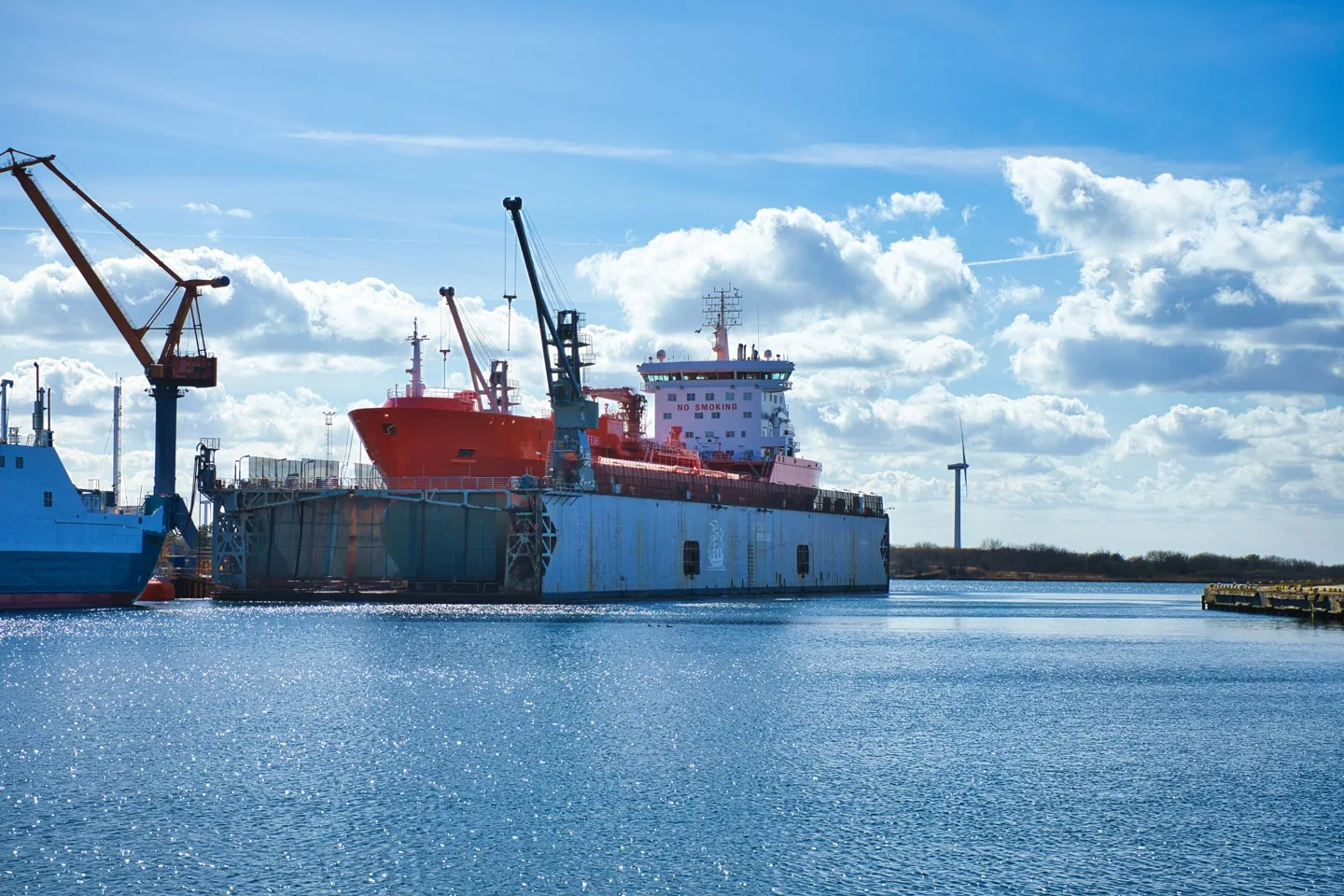
Two quotes for the same goods may cover different handovers. Currency, validity and the named delivery point should be considered together.
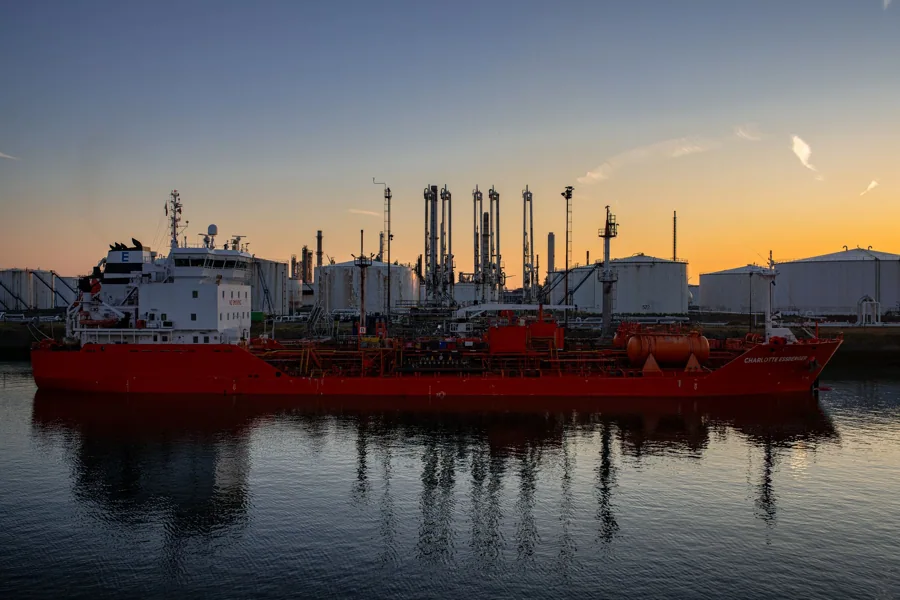
Viewing the deposit, balance and delivery date on one timeline supports a purchasing decision. Commercial payment terms are reviewed alongside the order milestones.
The information a supplier needs to quote depends on the product. Use these examples to put comparable offers on your desk.
Give the fuel type, the vessel’s specification and the quantity in metric tonnes. If the vessel needs two grades at the same call, list the tonnage for each so the supplier can price them separately.
Identify the product already in use and the equipment it serves. Give litres for oil and net weight for grease. Include the largest pack the crew can bring aboard as well as the total quantity.
Alongside the maker, model and serial number, include the item’s position on the drawing. For an overhaul kit, identify the seals or fasteners that the crew expects to find inside.
Identify the surface, existing coating system and colour code. For a two-part coating, say whether the quote should include the hardener as a set. List rollers and brushes separately so the supplier can price them by quantity.
Send the housing nameplate details and the part number of the element being replaced. Specify whether the crew needs the complete housing or just the insert. List quantities separately for each machine.
We bring the specification, quantity and deadline into one request and identify the items the vessel needs before sailing.
Price, freight, packing, payment terms and the delivery scope are reviewed on the same basis. Any open items are clarified before ordering.
The vessel, agent and supplier agree on a meeting point, receiving contact and time window. A change in ETA prompts an update to the plan.
At Lunar Global Enerji A.Ş., we help vessel operators purchase fuel, lubricants and technical stores. We work with the crew on the specification, the buyer on commercial terms and the agent on the time and place of delivery.
You can come to us with a requisition or a quote already under review. If a pump part must reach the ship before sailing, we check its lead time first. For the remaining stores, we can compare the cost of delivery at this call with delivery at the next port.
Gather your product, quantity and delivery details in one file. Download the summary to share with your purchasing team.